How Uli’s Method Works

Neuromuscular Stimulation
Reintegrates the scar into body awareness; soothes chronically irritated tissue.

Fascial Mobilization
Gently loosens adhesions – improving elasticity and range of motion.

Sensory Resetting
Helps the skin "relearn" sensation – numbness fades.
Whole-Body Regulation
Balances the autonomic nervous system for inner calm and ease.
Before & After Treatment
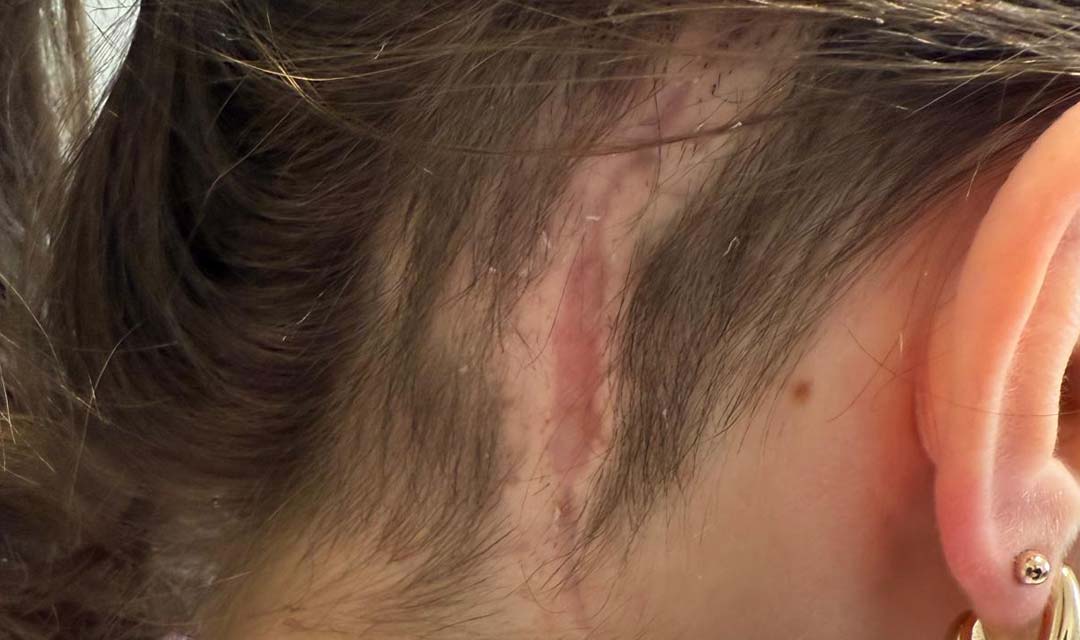
Woman, 22 years old
scar care after brain surgery
Scar care after brain surgery, following the removal of an acoustic neuroma. Stitches were removed very early, and the scar reopened.

Woman, 54 years old
15 foot surgeries, 3 skin grafts
15 surgeries on the foot, 3 skin grafts, fear that
the skin graft won't hold again.
Scar healing disorder.
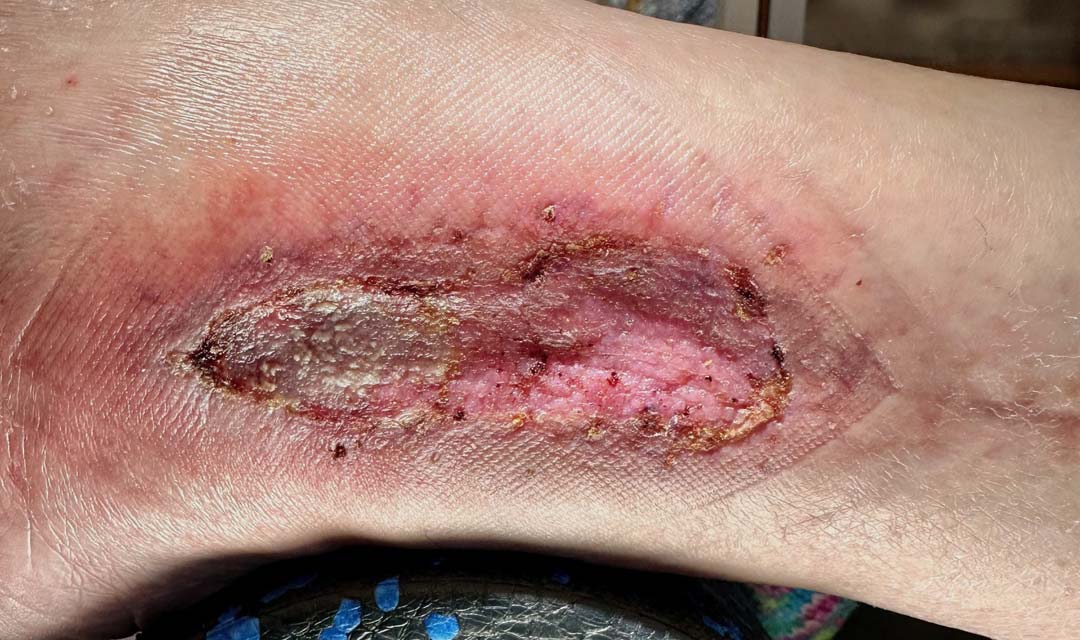

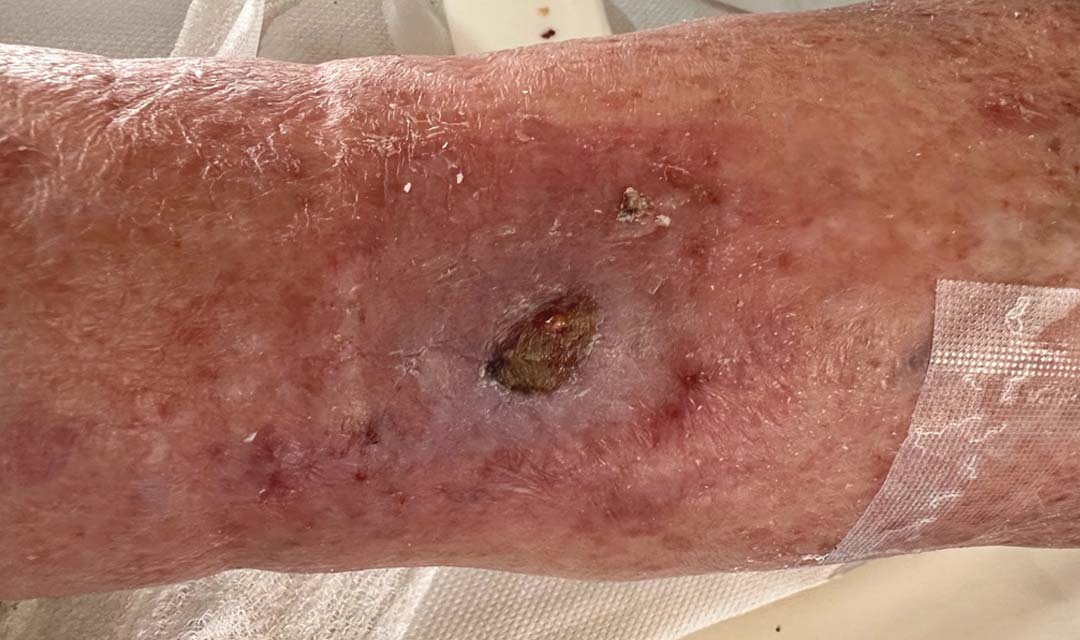
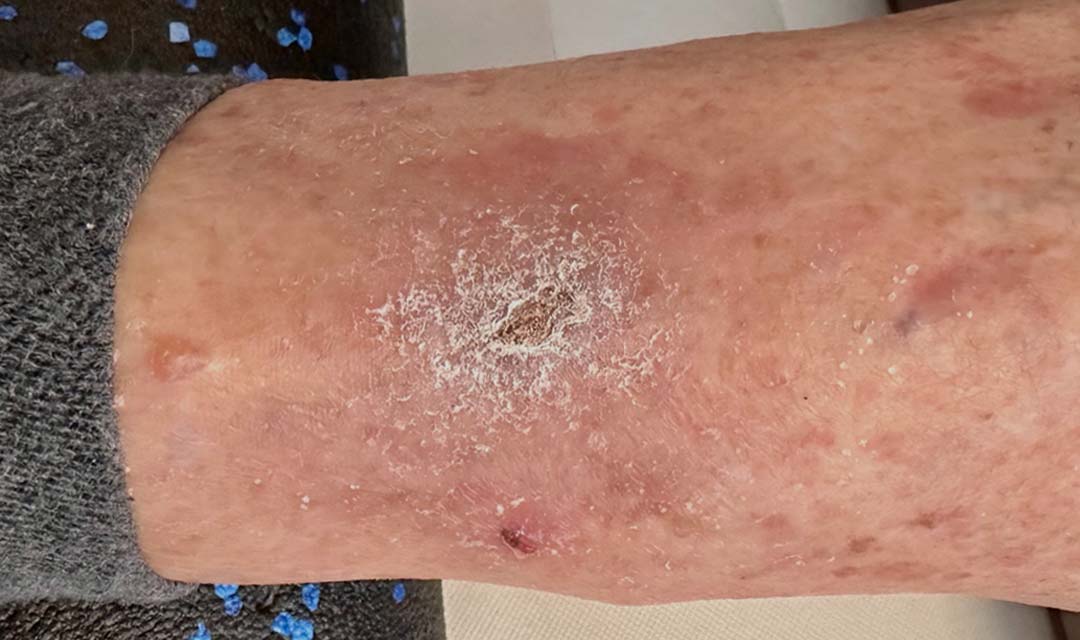
Man, 78 years old
ulcer on the left lower leg
Man, 78 years old, ulcer on the left lower leg. Doctors said he can only get a new knee joint if the ulcer is gone, otherwise there is a risk of infection.
Man, 65 years old
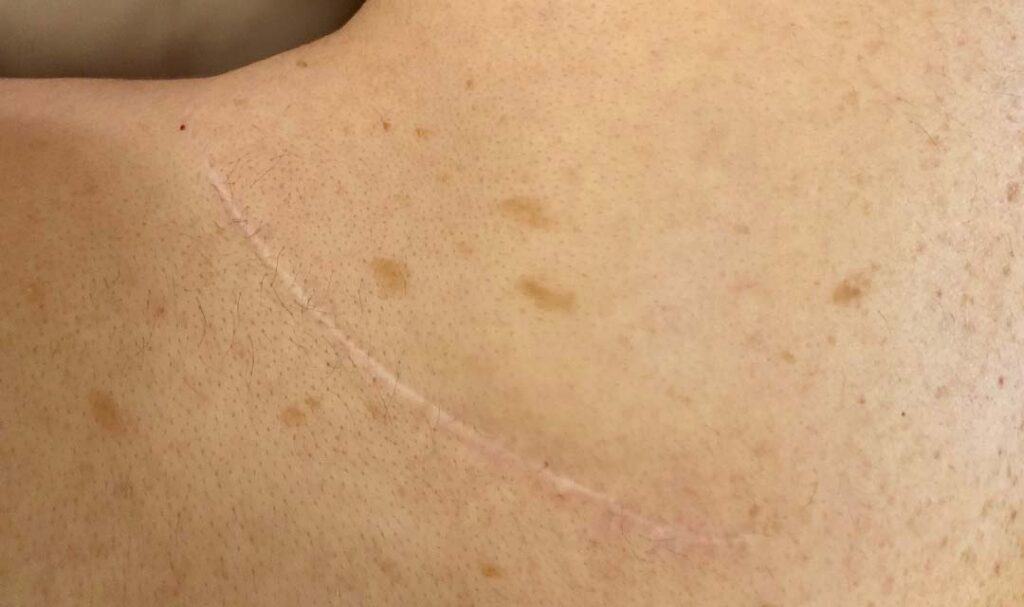
lung tumor surgeries
Lung tumor surgeries. Two years after the operation, the scar is swollen, painful, and there is restricted movement of the ribs during breathing.

Man, 74 years old
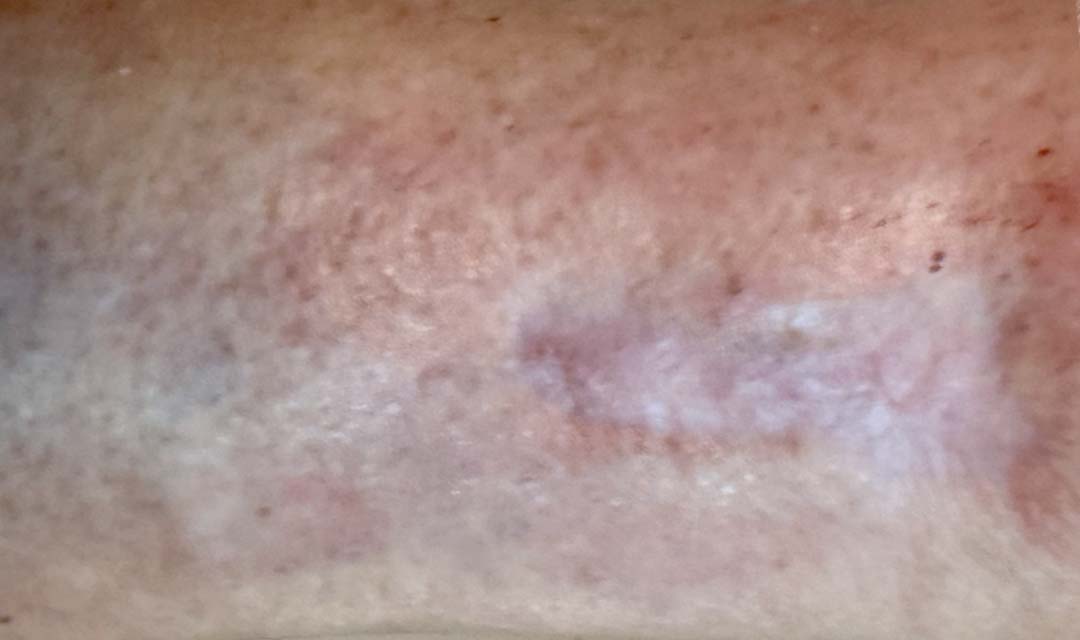
scar wound healing disorder
Scar wound healing disorder, right leg, lower leg, lasting over 6 months. Treated over 6 weeks and healed.

For who?
For people of all ages with a wide variety of surgical scars, including scar complications, even poorly closing amputation scars can be worked on. Improvement of scars is possible even after years or even decades.
When?
Practically applicable already after one day of surgery, if the environment allows it. Scars can close and hold permanently without complications in a very short time, if they are treated properly.
The Method
Uli’s Scar Care – Gentle. Effective. Holistic.
Over ten years ago, I, Uli Gutbrod, developed a special method in Brazil for treating post-surgical scars.
It was inspired by working with women after breast cancer surgery whose scars caused not only physical, but also emotional pain.
Today, this method supports people of all ages – especially when conventional therapies are no longer effective.
Deep-acting. Non-invasive. Sustainable.
The method is based on insights from neuromuscular stimulus processing, fascia therapy, and sensorimotor reintegration, offering a highly individualized, functional alternative to standard treatments.

1- First Meeting
2- Each scar care session
3- After finishing the scar care sessions:
How the treatment works?

Assessment & Conversation
Together we explore your scar history and symptoms.

Individual Treatment Plan
Tailored to your personal complaints and goals.

Gentle, Manual Therapy
Deep-acting, functional, and low in discomfort.

Gentle, Manual Therapy
Deep-acting, functional, and low in discomfort.

Duration
Usually 2–5 sessions depending
on your needs

Cost
Transparent and fair
⚠️ Important: Scar care is not recommended in cases of acute thrombosis or active inflammation. Please consult your physician beforehand.
Surgery Scar Treatment in Visalia
Certain surgical procedures often result in visible scars, requiring specialized scar treatment to restore skin appearance and texture. Below are common surgeries that may leave scars:
Abdominal Surgeries
- Appendectomy – Removal of the appendix, often leaving a small scar in the lower abdomen.
- C-Section – A surgical birth procedure that results in a horizontal or vertical scar.
- Gallbladder Removal (Cholecystectomy) – Can leave small laparoscopic scars or a larger incision.
- Hernia Repair – Surgery to correct a hernia, leaving scars in the abdominal area.
- Bariatric Surgery – Weight loss procedures that leave multiple scars, depending on the technique used.
Orthopedic Surgeries
- Knee Replacement – A major joint surgery that leaves a long scar on the knee.
- Hip Replacement – Can leave a significant scar on the hip or thigh.
- Spinal Fusion – Involves incisions on the back or neck, resulting in noticeable scars.
- Rotator Cuff Repair – Shoulder surgery that can leave multiple scars.
Cardiothoracic Surgeries
- Open-Heart Surgery – Leaves a long scar on the chest due to the sternum incision.
- Lung Surgery – Depending on the procedure, scars may appear on the chest or back.
- Coronary Artery Bypass Grafting (CABG) – Results in prominent chest and leg scars.
Gynecological Surgeries
- Hysterectomy – Removal of the uterus, leaving abdominal or vaginal scars.
- Ovarian Cyst Removal – Can leave scars on the lower abdomen.
Plastic & Reconstructive Surgeries
- Breast Augmentation/Reduction – Surgery to alter breast size, leaving scars around the breast area.
- Abdominoplasty (Tummy Tuck) – Removes excess skin, leaving a lower abdominal scar.
- Skin Grafting – Used for burns or injuries, often leaving donor and recipient site scars.
Scar Treatment in Visalia
If you’ve undergone any of these surgeries and are concerned about scarring, advanced treatments in Visalia can help improve skin texture, reduce scar visibility, and restore confidence.
Scar treatment in Visalia is ideal for people of all ages dealing with surgical scars, including complex cases like poorly healing amputation scars. Even scars from years or decades ago can show significant improvement with proper care.
Whether you have fresh surgical scars or old, thickened scars, advanced techniques in Visalia can help improve skin texture, reduce discoloration, and enhance overall appearance.
Investment?
Nothing is worth more than your own well-being
Evaluation
Other sessions
Scar treatment after Visalia
Surgical scars are a natural result of the healing process. However, the scar that remains after Visalia can affect skin texture, color, mobility, and even self-confidence. Specialized treatment helps soften the scar, improve elasticity, and restore comfort and well-being.
Why Visalia scars need care
Every surgical incision heals differently. Depending on genetics, surgical technique, and recovery, the Visalia scar may appear raised, thick, or discolored. In some cases, tightness and sensitivity occur, which can limit daily activities. Targeted treatment minimizes these issues and supports proper skin regeneration.
Main challenges
- Visible changes in color and texture
- Excessive sensitivity or numbness
- Scar tightness or restricted movement
- Emotional impact on self-image
Benefits of treatment
- Smoother and more even skin appearance
- Improved elasticity and mobility
- Relief from discomfort and sensitivity
- Increased self-confidence and well-being
When to start treatment
Treatment for Visalia scars can begin once the wound is closed and stitches are removed. Even old scars from past surgeries can improve significantly with professional care. Early intervention often delivers the best long-term results.
Professional scar treatment after Visalia
Whether your scar is recent or years old, advanced techniques can reduce visibility, improve skin flexibility, and restore confidence. Personalized care ensures the best outcome for your unique healing process.
Things to know about Visalia scars
Every surgery leaves a mark. The way a Visalia scar develops depends on the incision, closure technique, and individual healing factors.
Other influences include age, genetics, skin type, and lifestyle habits such as smoking or sun exposure. Understanding these factors helps explain why scars differ and how treatment can help improve them.
Scar healing usually passes through three main phases:
Wound closure
Begins immediately after surgery and lasts about a week. The body closes the incision through clotting and tissue repair.
Scar formation
Over the next weeks, collagen and elastin fibers build up, often leaving the scar red, thick, or itchy.
Remodeling
In the final phase, collagen reorganizes, ideally making the scar paler, softer, and less sensitive over time.
Typical scar types
Hypertrophic scars – raised, thickened scars that remain within the wound edges.
Keloid scars – larger scars that grow beyond the incision area, often itchy or painful.
Atrophic scars – flat or sunken scars caused by loss of skin tissue.
Fresh scars require protection and hydration. Moisturizing creams and scar gels with silicone or hyaluronic acid are recommended. Sun protection is essential for at least 12–18 months after Visalia to prevent darkening and irritation. With the right care, both recent and old scars can become less visible and more comfortable over time.