
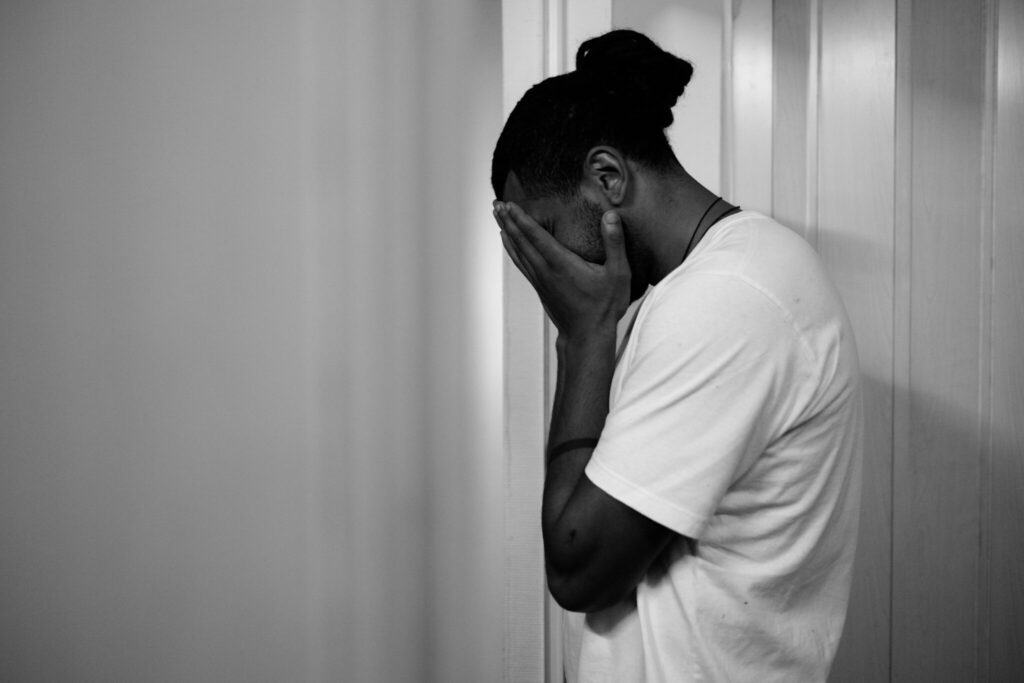
Scars arise from various causes, such as accidents, surgeries, or acne. However, they are often more than just skin changes. Unfortunately, they can strongly affect self-image and self-confidence. In our society, where beauty is often overvalued, scars are too frequently stigmatized.
They are often a visible sign of trauma, which emotionally burdens many affected individuals. Unfortunately, scars can also be stiff and immobile, which naturally can impair physical function. This can sometimes lead to professional limitations.
Many people with scars often suffer from shame, anxiety, or depression. This can also cause difficulties in social life, affecting intimacy and communication. Therefore, it is very important to understand both the physical and emotional impacts of scars and to offer those affected appropriate support.
How do scars influence our self-confidence?
Our body image plays a crucial role in our self-esteem. Scars can lead to us no longer accepting ourselves as we are. Especially visible scars on the face or other prominent body areas can sometimes be perceived as disturbing. Our skin is a very special protective barrier that shields us from external influences.
Unfortunately, a scar can disrupt this feeling of safety and negatively affect our self-image. It is quite natural for people with scars to frequently need to get used to their changed appearance. This can be emotionally challenging.
Often, those affected idealize their former appearance and feel devalued after the scar, which is completely understandable. This can lead to reduced self-confidence and changes in social behavior. Sometimes, affected people feel they don’t belong or that they are different.
What are the effects of societal beauty ideals on those affected?
The media and society set high beauty standards that put many people under pressure. Those who do not meet these ideals often feel excluded. Scars are often perceived as “unattractive,” which understandably can lead to social anxiety and depression. Women are often more affected because external appearance in our society is strongly linked to femininity.
But men also feel the pressure imposed by society. The growing fitness and beauty culture unfortunately intensifies the feeling of having to match an ideal body. Young people, in particular, are very susceptible to the influence of the media, which constantly shows us the image of a “perfect body.” It is a special burden for people with scars when they feel they do not meet these beauty standards.
What role does the visibility of scars play for psychological well-being?
It is remarkable how much the visibility of a scar can affect our self-confidence. Sometimes it is less the size of the scar that troubles us, but rather whether it is visible or not. Scars in highly visible areas such as the face or hands can be especially distressing—I understand this very well. Those affected often feel “different” and believe their scar is a flaw.
Facial scars can be a special challenge because the face plays a central role in social communication. Many people with facial scars report feeling socially isolated because others often look at their scar first rather than their face.
This can unfortunately lead to a decline in self-confidence and impairments in social life. It is quite natural that people with acne scars on their face tend to go out less and withdraw from social situations.
Do scars traumatize the person?
Scars can not only change the external appearance but also leave deep emotional wounds, which can be very distressing for those affected. Many people with scars experience the constant reminder of the trauma that caused the scar as a burden. This can lead to anxiety, depression, and a distorted body image.
Scars caused by violence or accidents are often seen as signs of pain and injury. For many affected, it is a great challenge to accept their scar as part of their identity. The psychological burden can lead to avoiding certain situations or even social contacts. Many patients experience life with a scar as a constant reliving of the trauma that caused the scar.
Body and soul in harmony
Healing a scar is more than just skin care. Psychological support is an important part of the healing process. Scars can be quite depressing because they are often associated with strong emotions. This can affect self-esteem and mental well-being. Therefore, it is important to care for not only the body but also the soul.
Methods such as cognitive behavioral therapy can help break negative thought patterns and change one’s perception of the scar. This psychological approach helps better cope with the emotional challenges that scars bring. Camouflage makeup can also help temporarily boost self-confidence by improving the external appearance.
But the most important thing is holistic care that addresses both the physical and psychological needs of those affected. When you treat your body mindfully and lovingly, supported by psychological counseling and professional scar care, you can regain emotional balance and sustainably strengthen your self-esteem.
Photo by cottonbro studio from Pexels:
https://www.pexels.com/de-de/foto/schwarz-und-weiss-schwarzweiss-mann-textur-6756555/