
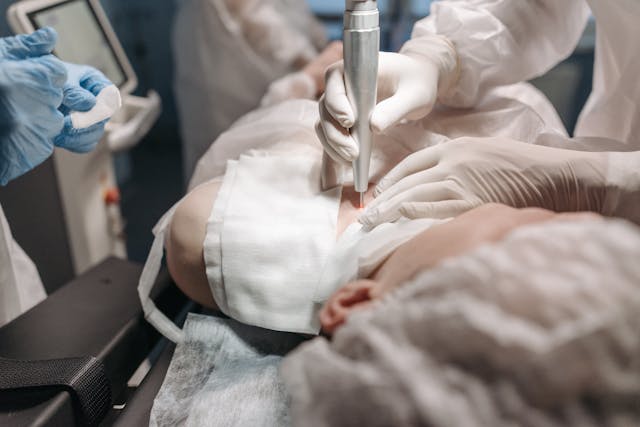
Scar treatment is a crucial step in improving both the appearance and discomfort that can follow surgery. However, before starting any treatment, it is essential to have a dermatologist examine your scar. Every scar is unique, and treatment should always be tailored to your specific needs and the type of scar you have.
The Complexity of Scars: What Makes Them So Different?
Scars form as part of the body’s natural healing process, but their type and texture can vary greatly. Hypertrophic scars and keloids, for example, result from excessive collagen production, leaving the scar tissue raised and firm. These scars can itch, cause pain, or even limit mobility. Atrophic scars, such as those from acne or chickenpox, appear as depressions in the skin and require very different treatment approaches.
A qualified dermatologist can accurately identify the type of scar and recommend the most effective therapy. This ensures not only an improved appearance but also reduces the risk of potential complications.
Different Scars Require Different Treatments
Not all scars are the same, making it essential to choose the right treatment method. Hypertrophic scars and keloids may be treated with pressure therapy, silicone sheets, or corticosteroid injections. These approaches help reduce excess collagen and smooth the scar tissue.
Atrophic scars, on the other hand, often require more intensive treatments such as laser therapy or chemical peels to improve the skin’s texture. A dermatologist will customize the treatment to your specific scar type and skin condition to achieve the best results.
The Age of a Scar Matters
Fresh scars respond well to treatments like silicone gels or compression dressings. Older scars, however, often require more advanced measures such as laser therapy or even surgical procedures for noticeable improvement. An experienced dermatologist can determine the stage of your scar and recommend the most suitable treatment.
Skin Cancer: Scars Can Be Deceiving
Another important reason to have a dermatologist examine your scar is the risk of skin cancer. In rare cases, skin cancer can resemble an ordinary scar. If you notice a scar you don’t remember having, or if an existing scar changes in appearance, it is essential to book an appointment with a dermatologist.
Early detection is critical in skin cancer treatment, and a dermatologist can quickly determine whether a scar is harmless or potentially malignant.
Sun Protection: A Key Part of Scar Care
Scars are particularly sensitive to sun damage. UV rays can darken scars, make them more noticeable, and increase the risk of skin cancer. Always apply a broad-spectrum sunscreen with at least SPF 30 if your scar is exposed. Avoid tanning beds as well, since they further increase skin cancer risk.
How Dermatologists Effectively Treat Scars
Dermatologists offer several treatment options to improve the appearance of scars and relieve discomfort:
-
Pressure therapy: Helps inhibit scar growth and reduce existing scars, especially effective after burns or surgeries.
-
Silicone sheets and gels: Smooth and flatten raised scars, particularly effective with consistent use over several months.
-
Laser therapy: Significantly improves scar appearance by reducing redness and swelling and restoring mobility when scar tissue limits movement.
-
Corticosteroid injections: Reduce the size of keloids while relieving itching and pain.
-
Cryosurgery: Freezes scar tissue, gradually destroying it and reducing its size.
Conclusion: Why Your Scar Should Be Examined by a Dermatologist
It is essential to have every scar evaluated by a dermatologist before starting treatment. Only a professional diagnosis ensures the right treatment strategy, improving your scar’s appearance while also ruling out health risks such as skin cancer.
For more information about scar care and treatment, visit narbenpflege.net. The site specializes in treating scars that may cause pain, sensitivity issues, or restricted movement after surgical procedures. There you will find comprehensive advice for optimal scar care.
Photo by Pavel Danilyuk: https://www.pexels.com/de-de/foto/arzt-doktor-handschuhe-gesundheitswesen-7108227/